
Opener Repair in Central High
Opener Repair for Central High's Early-1990s Garage Doors
Central High homes date mostly from the early 1990s, meaning chain-drive openers with aging logic boards. Lawton Garage Door Pros travels 19 miles out to fix them.
- Licensed & Insured
- Same-Area Service Calls
- Upfront Pricing
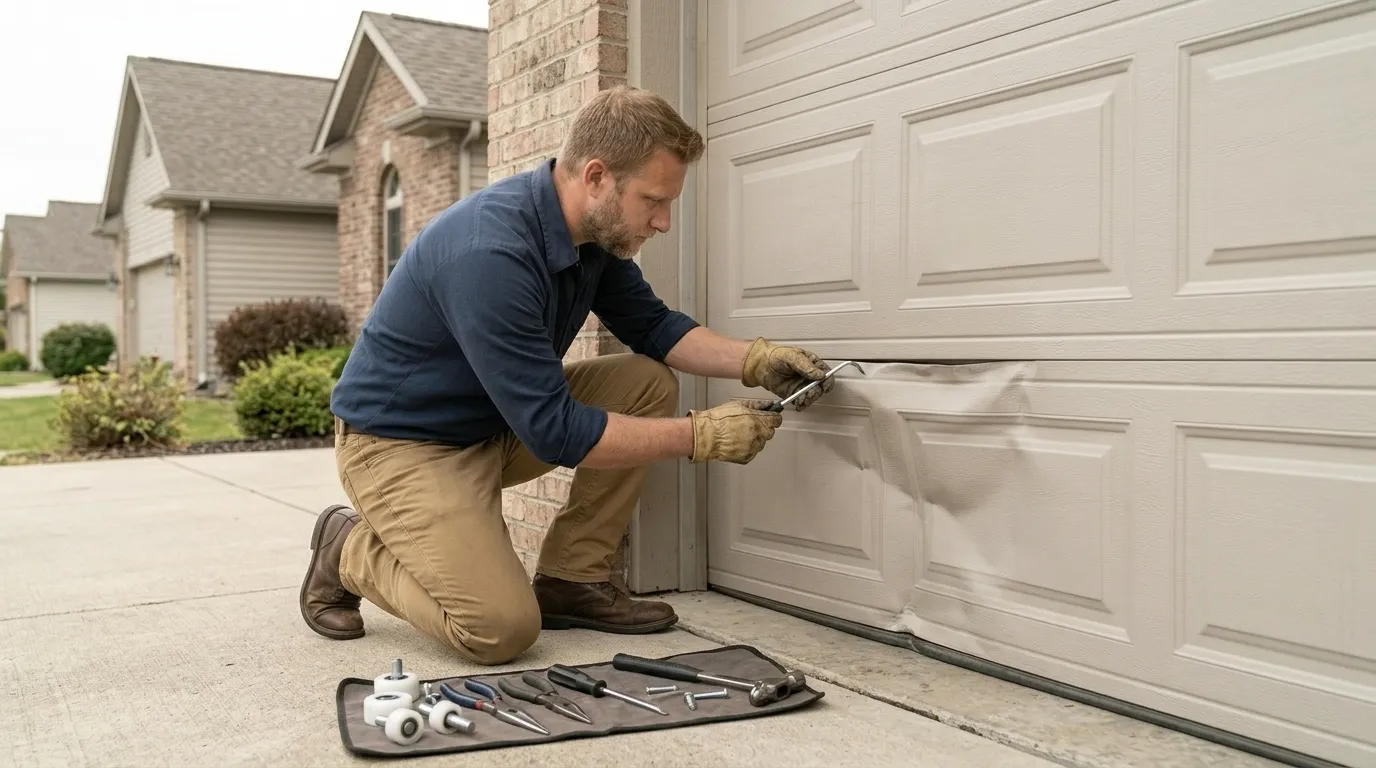
What Happens When You Call
-
1
Call or Request a Quote
Tell us what the door is doing and roughly how old the house is - that alone points us toward the likely part before a truck leaves.
-
2
On-Site Diagnosis
A tech checks the spring, cables, tracks, and opener in person and tells you plainly what is actually wrong.
-
3
Straight Price, No Surprises
You get a number before any work starts. It covers parts and labor, nothing added after the fact.
-
4
Fixed the Same Visit
Most repairs are done in one trip. If a part needs sourcing, we tell you that upfront instead of guessing.
How Long It Takes
Most Central High houses were built around 1991, which put a steel sectional door and a chain-drive opener in the garage from day one. That opener is now pushing thirty-plus years old. A straightforward fix - a dead capacitor, a worn sprocket, a failed logic board - usually runs an hour or two once the truck is on site.
The complication here isn't the repair itself, it's the trip: Central High sits about 19 miles out from Lawton, so the drive time gets folded into scheduling rather than the job itself. We don't keep a branch out this way, so the visit gets planned as part of the day's route, not dispatched on a whim. If the opener needs a part we don't carry on the truck, that adds a second trip.
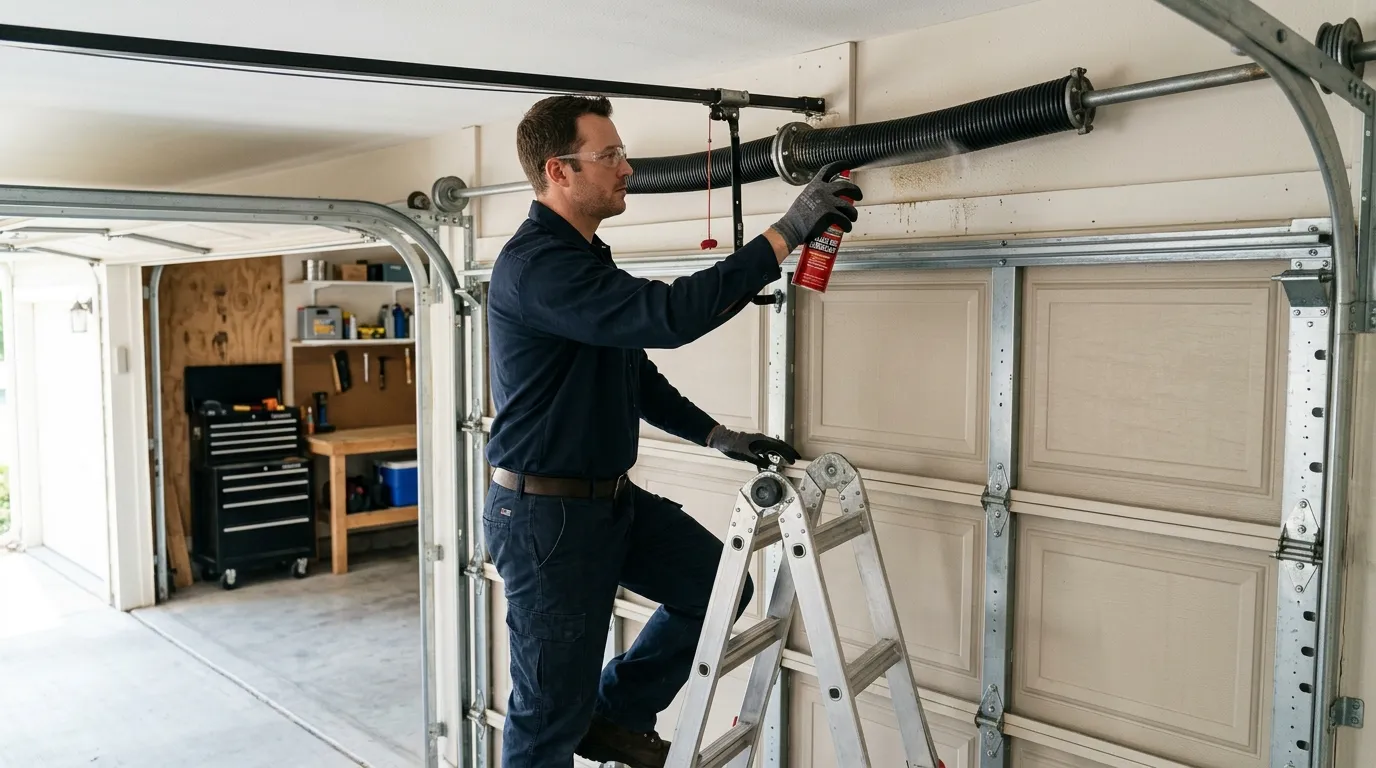
What the Fix Involves
Openers from the early 1990s in this area are almost always chain-drive units, often 1/3 horsepower, built before some of the safety-sensor standards that came later became universal on every model. That matters for diagnosis: a door that won't close all the way might not be a sensor problem at all, it might be a limit switch that's drifted out of adjustment over three decades of use.
We check the travel limits, the drive gear (a common failure point on units this old - the gear is nylon and it strips), the capacitor if the motor hums but doesn't turn, and the wall control wiring, which on houses this age is often original and brittle. Replacing a stripped gear or a failed capacitor is usually cheaper than replacing the whole unit, and we'll tell you which one you're looking at before we start.
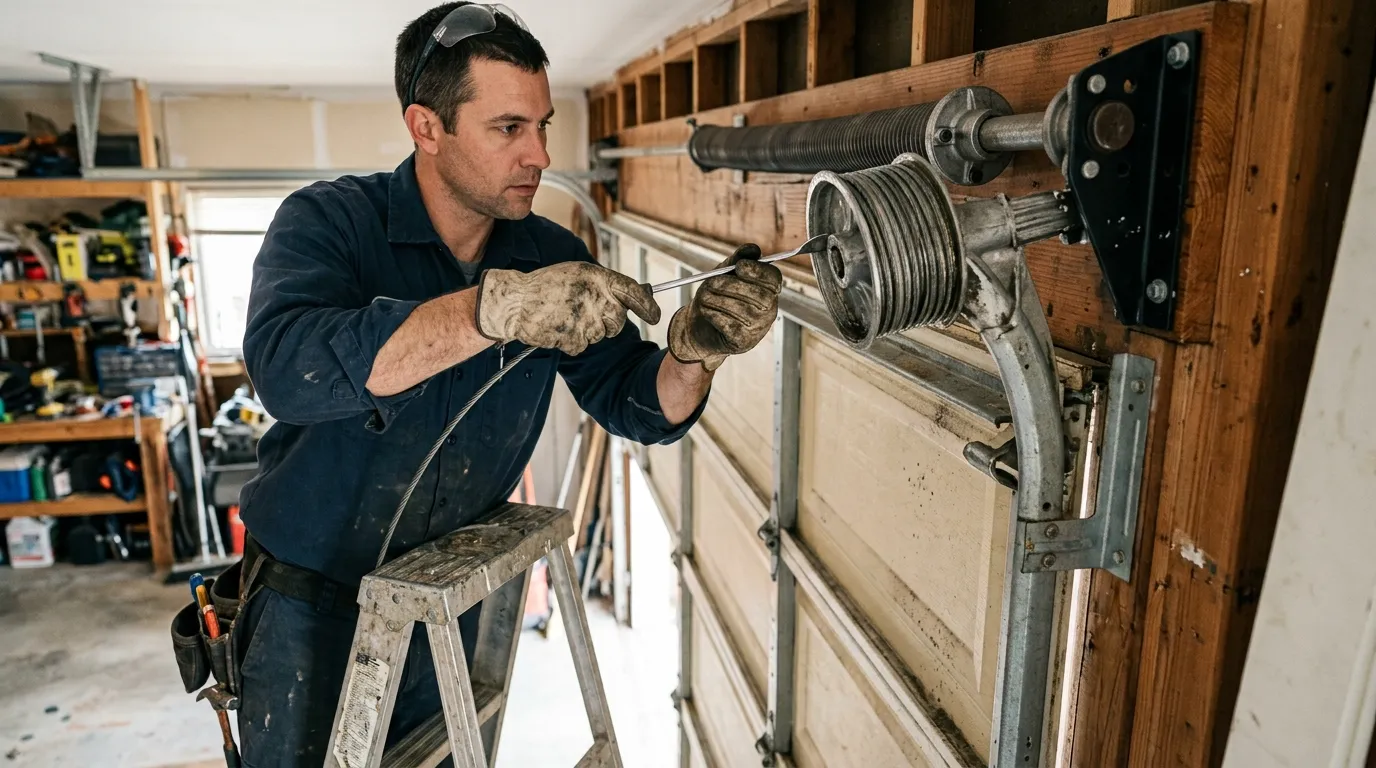
What Can Go Wrong
The honest failure mode on a unit this old is the logic board going out entirely, and once that happens, repair stops being the better option - a new board can cost close to what a new opener runs, and you're still left with a motor and gear assembly that's just as old. Chain slack is another one: on a chain-drive from this era, a loose chain slaps against the rail and eventually jumps the sprocket, which looks like a bigger failure than it is. And on houses that still have the original wall button instead of a keypad, worn wiring inside the wall can mimic an opener fault when the problem is actually a short between the button and the head unit.
The DIY Question
Tightening the chain or swapping a remote battery is fine to handle yourself. Opening the opener head unit isn't - the capacitor inside can hold a charge even with the power off, and on a unit built in the early '90s the internal wiring wasn't designed with a homeowner popping the cover thirty years later in mind.
If the door reverses before it touches the floor, that's a safety-sensor or limit-switch issue, and it's worth a call rather than a guess, because a door that won't seat properly is a door that isn't secured. We'll say plainly when a fix is a five-minute adjustment versus when it needs the panel off.
The Cost of This Job
With median household income in the service area at $61,554 and Central High itself running higher at $73,750, replacement isn't usually a budget question here so much as an age-of-equipment one. An opener from 1991 has had its full working life; when the board or motor goes, most owners in this bracket choose to replace rather than chase parts for a unit that old. We'll quote the repair and the replacement side by side so you're deciding on the numbers, not a guess.
Why It Happens Here
Central High's housing stock clusters tightly around 1991, part of the wider 1980s-90s build wave that shaped most of this side of the service area. That means openers, garage doors, and the hardware connecting them tend to fail in the same window across the neighborhood - not all at once, but close together, because they were installed close together. Add the region's cold winters, which stiffen chain lubricant and make marginal capacitors more likely to quit on a cold morning, and you get a predictable pattern: opener calls out here cluster in the same few years and the same cold snaps, house after house.
Talk to a Central High Technician First
Describe what the door is doing and get a straight answer on what it likely needs.
Other Garage Door Services in Central High
Recent Work in Central High
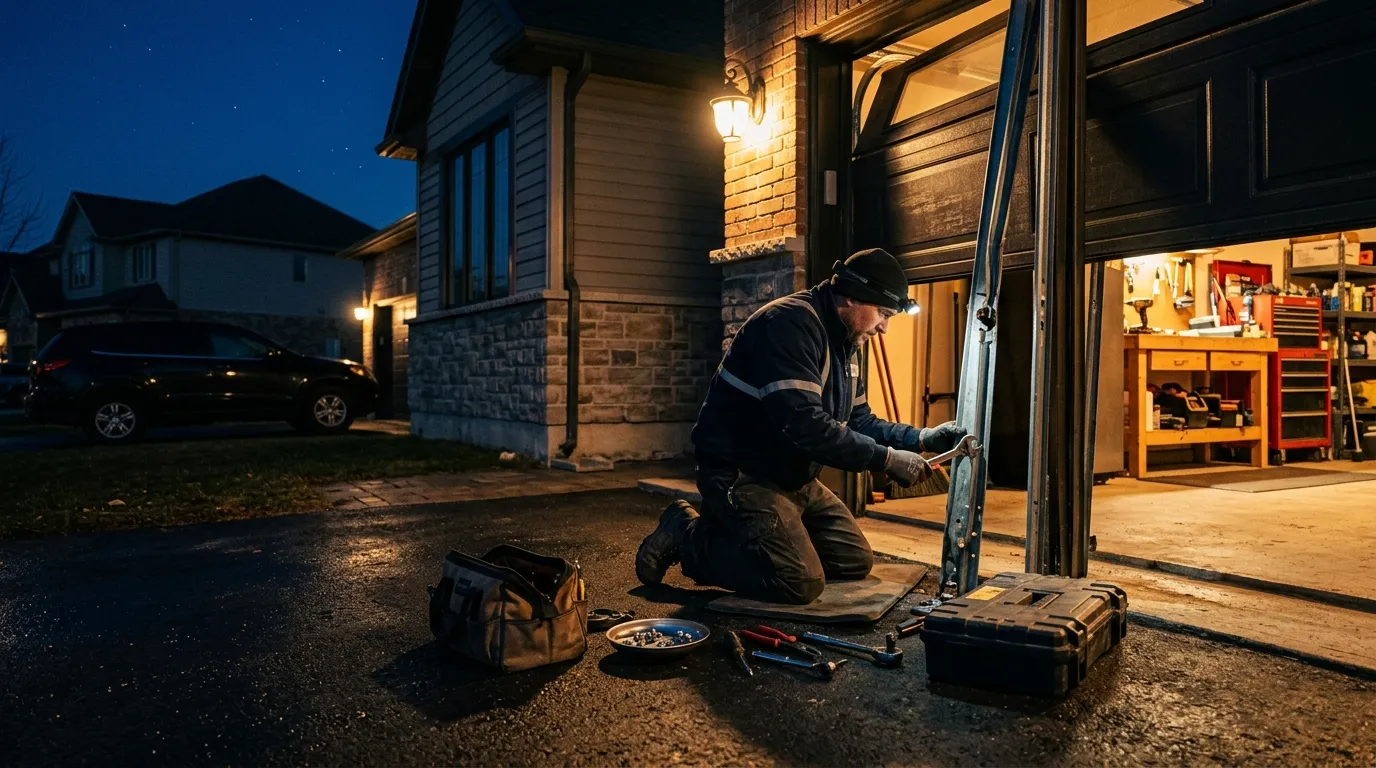
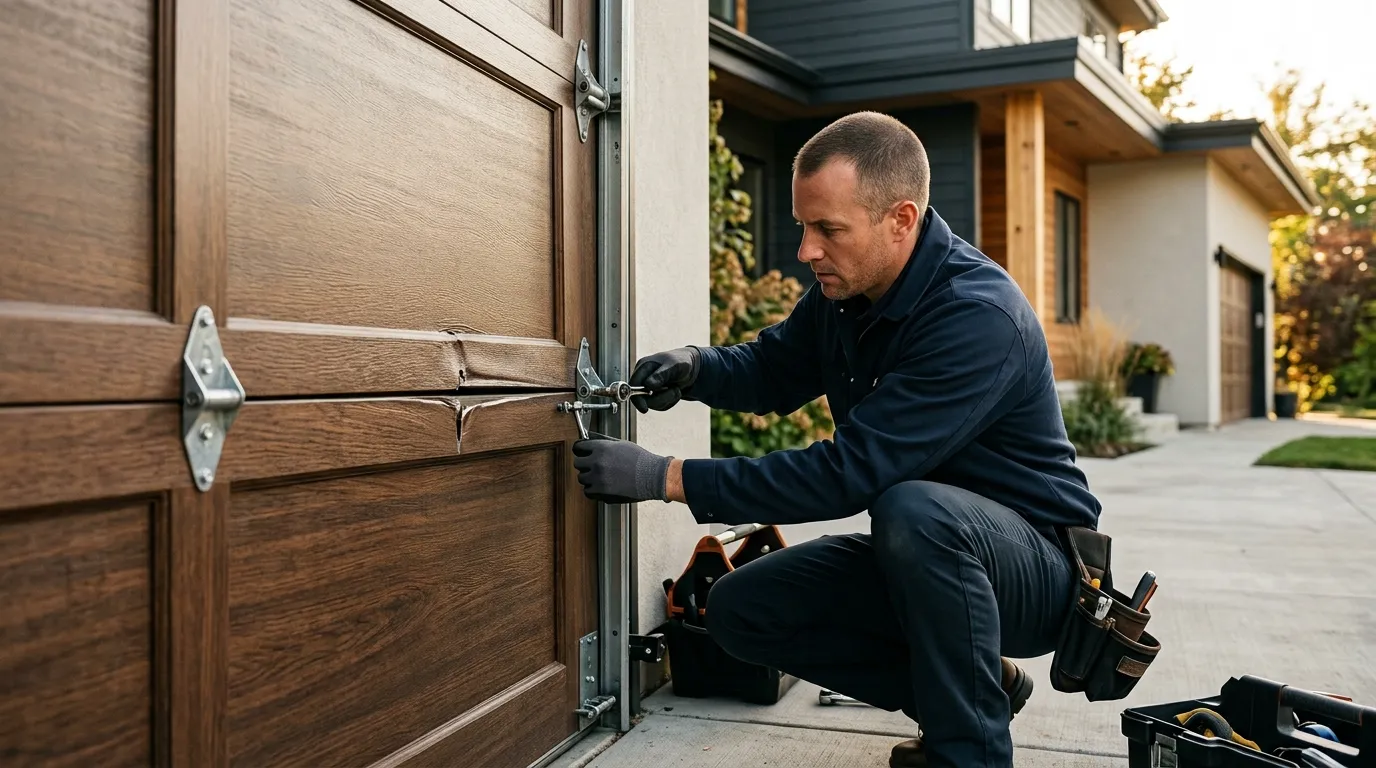
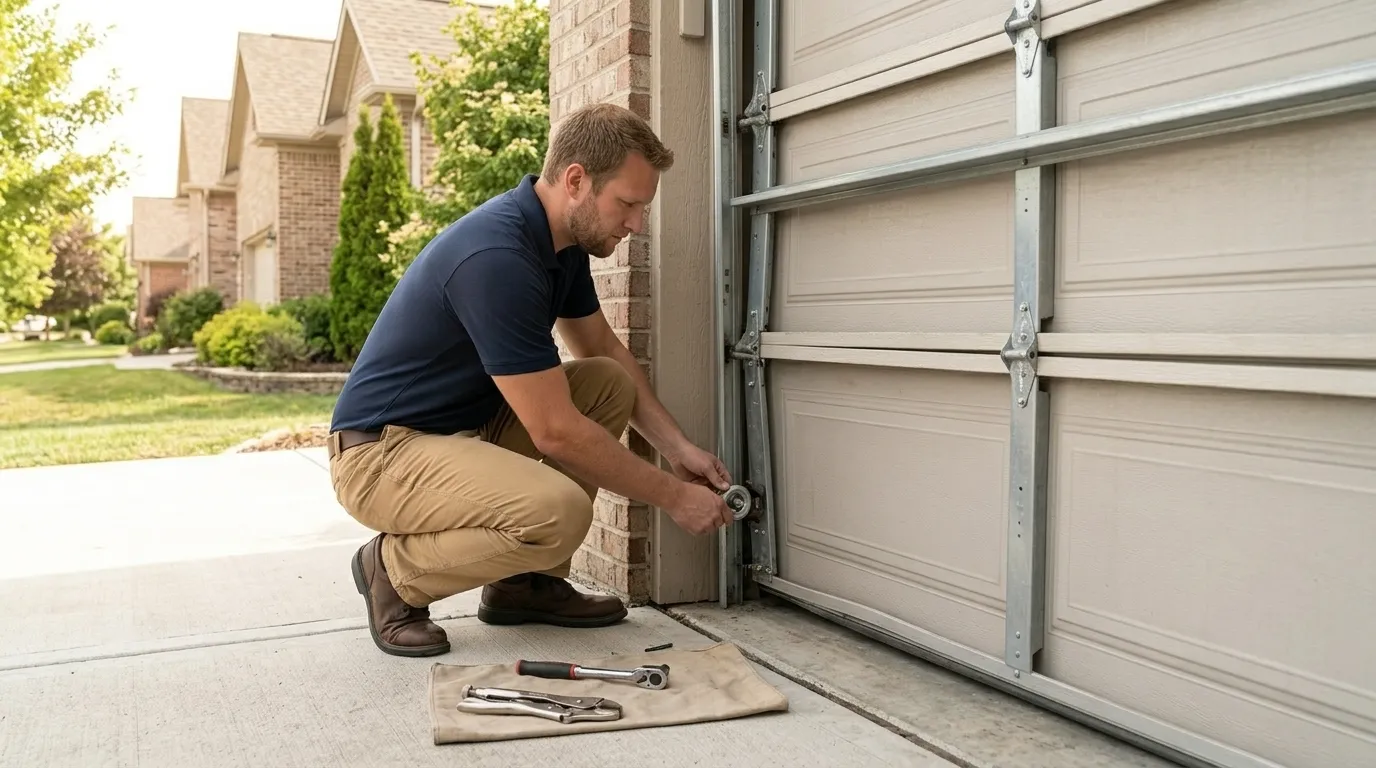
A look at jobs our crew has been on nearby.
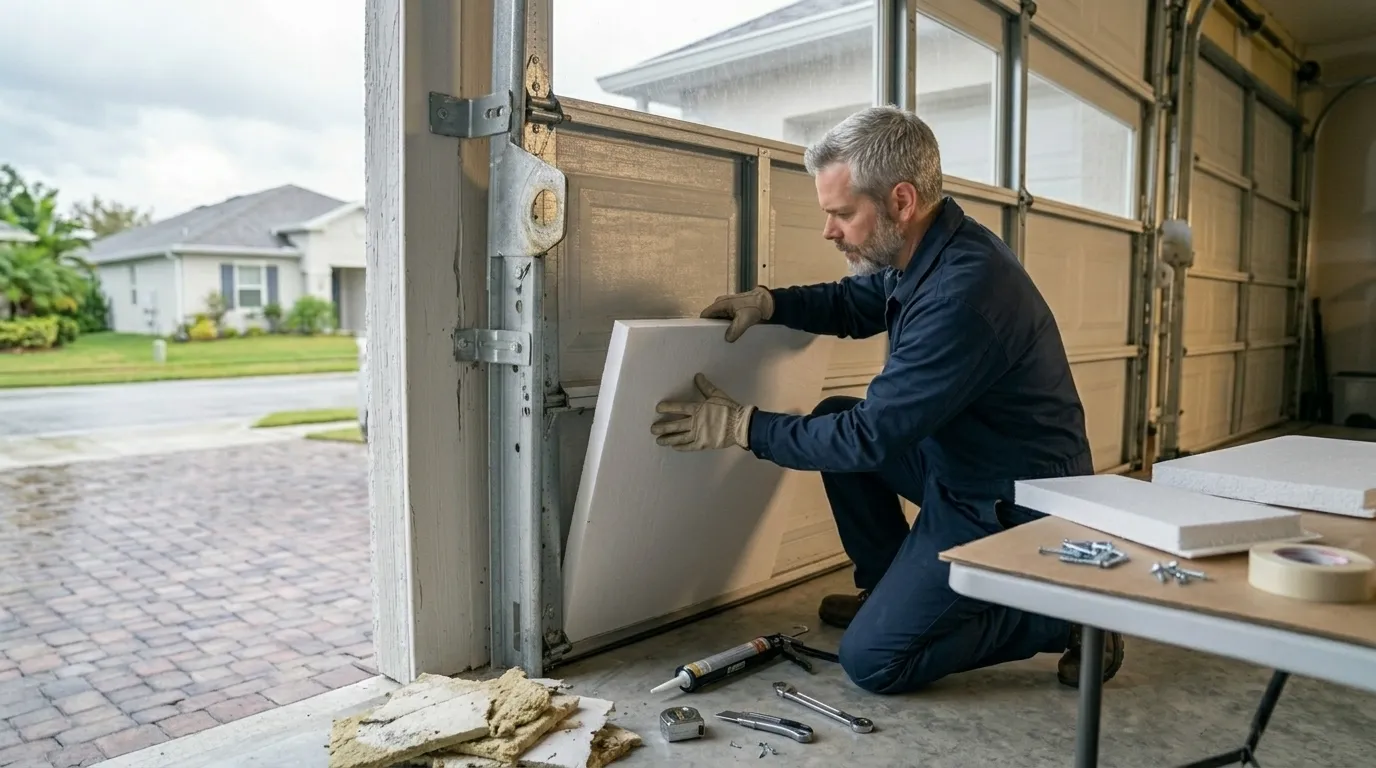
Why Central High Calls Us
Frequently Asked Questions
Do you have a shop in Central High?
No. We're based in Lawton and drive out to Central High, about 19 miles each way. There's no local branch, so opener repairs here get scheduled as part of a route rather than same-hour dispatch.
My opener is from when the house was built in the early '90s - is it worth fixing?
Depends what's failed. A capacitor or drive gear is a cheap fix on an old unit. A dead logic board usually isn't worth it once the whole opener is pushing thirty years - we'll tell you which one you've got before we quote anything.
Why does my opener act up more in winter?
Cold stiffens chain lubricant and puts more load on a motor that's already marginal. On an opener this age, a component that's been limping along all year often finally quits on the first hard cold morning.
Need Opener Repair in Central High?
Call now for straight answers on cost and timing.