
Maintenance & Tune-Up in Fletcher
Garage Door Maintenance for Fletcher's 1970s-Era Doors
Fletcher homes date to a 1977 median build year, meaning original torsion hardware is now 45+ years old. We drive out from Lawton to service it before it fails.
- Licensed & Insured
- Same-Area Service Calls
- Upfront Pricing
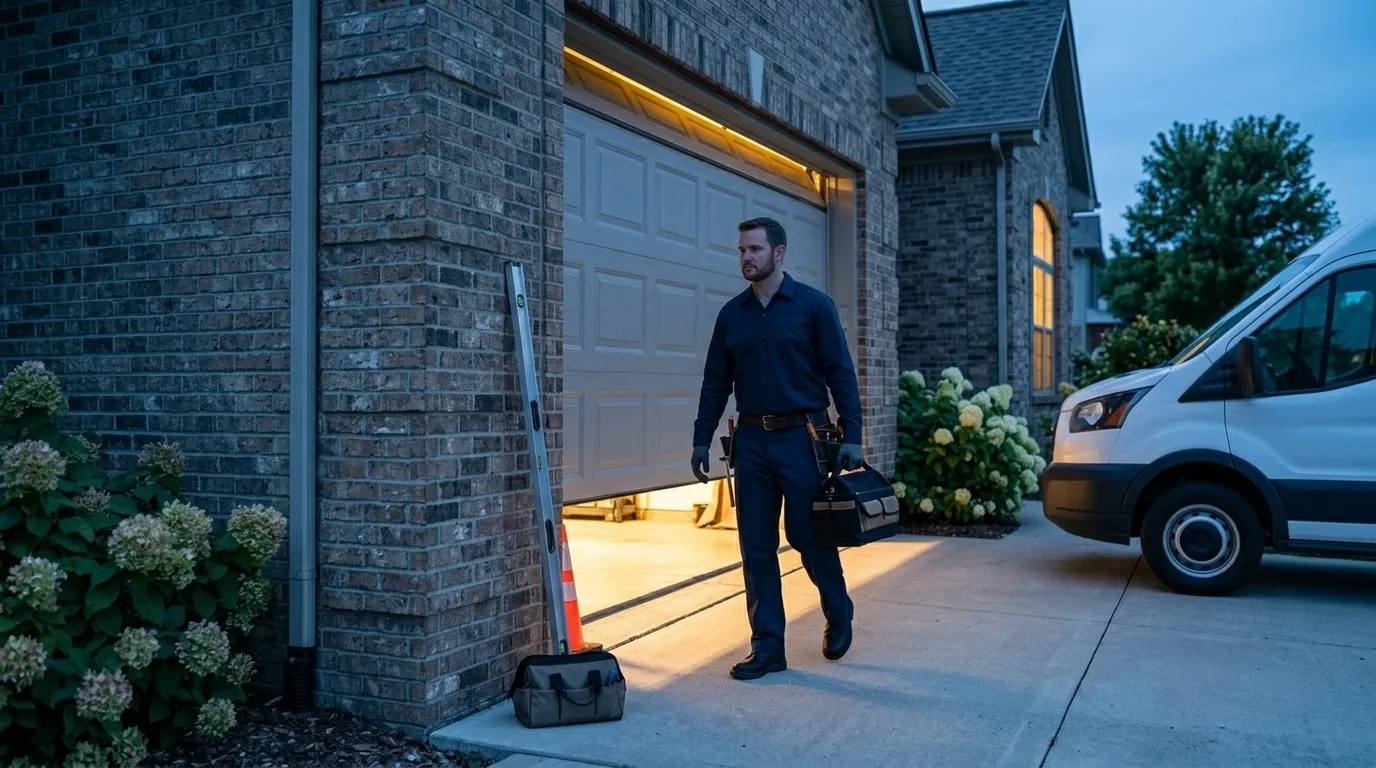
What Happens When You Call
-
1
Call or Request a Quote
Tell us what the door is doing and roughly how old the house is - that alone points us toward the likely part before a truck leaves.
-
2
On-Site Diagnosis
A tech checks the spring, cables, tracks, and opener in person and tells you plainly what is actually wrong.
-
3
Straight Price, No Surprises
You get a number before any work starts. It covers parts and labor, nothing added after the fact.
-
4
Fixed the Same Visit
Most repairs are done in one trip. If a part needs sourcing, we tell you that upfront instead of guessing.
The Symptom
The call we get most from Fletcher is a door that groans on the way up, hesitates halfway, then drops the last foot instead of settling. Owners usually blame the opener first. Nine times out of ten it's not the opener - it's the spring or the rollers doing the actual damage while the opener just struggles to compensate.
The reason this shows up so often in Fletcher specifically is the age of the housing stock. The median home here was built in 1977, which puts a huge share of these doors well past the working life of their original torsion spring and steel rollers.
A galvanized torsion spring is rated for a number of cycles, not a number of years, but on a door original to a 1977 build, both limits have usually been hit. Add in an opener that's been swapped once already but hardware that never has, and you get exactly the groan-hesitate-drop pattern we're describing.
If your door is doing this, don't keep running it through full cycles trying to "work it loose." A spring at the end of its life doesn't wear out gradually and give you warning - it lets go all at once, usually under full tension, and that's a cable-and-track repair instead of a maintenance visit.
What the Fix Involves
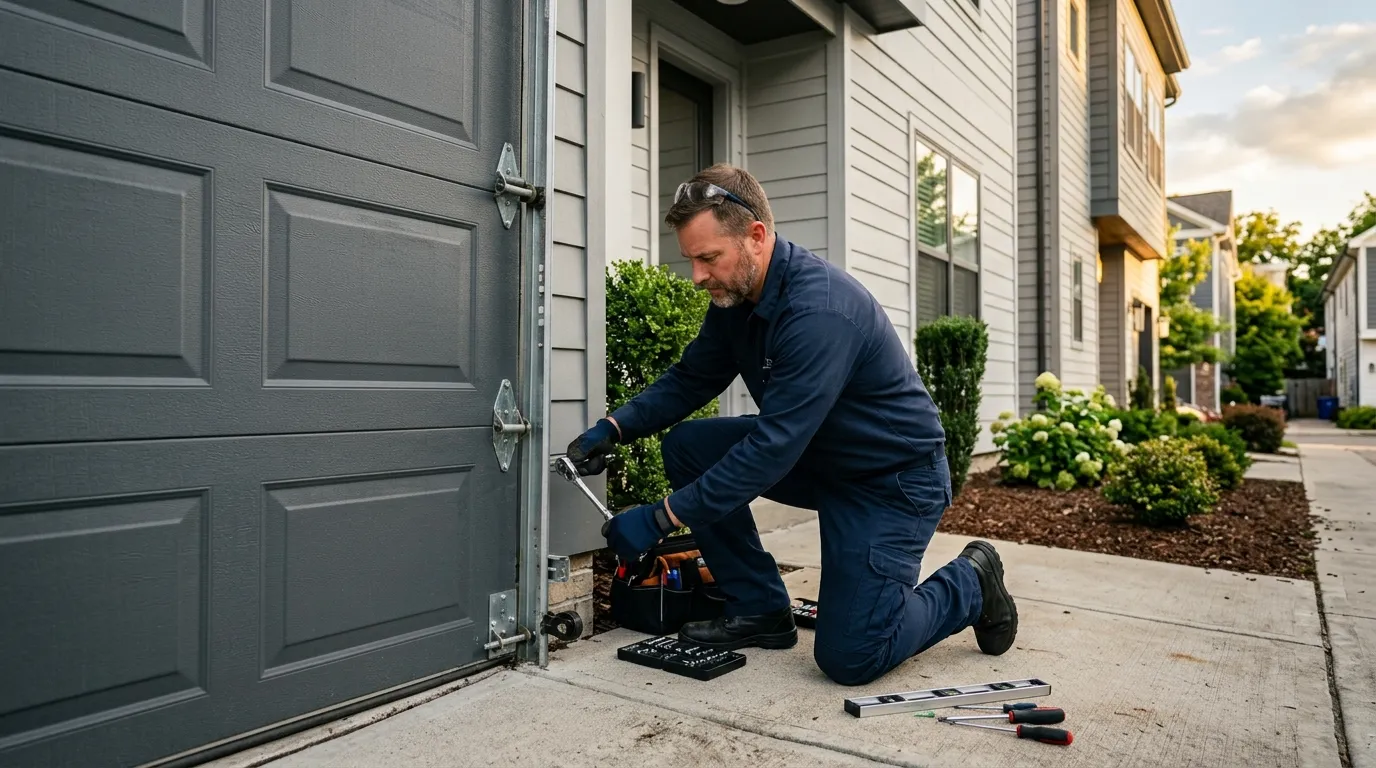
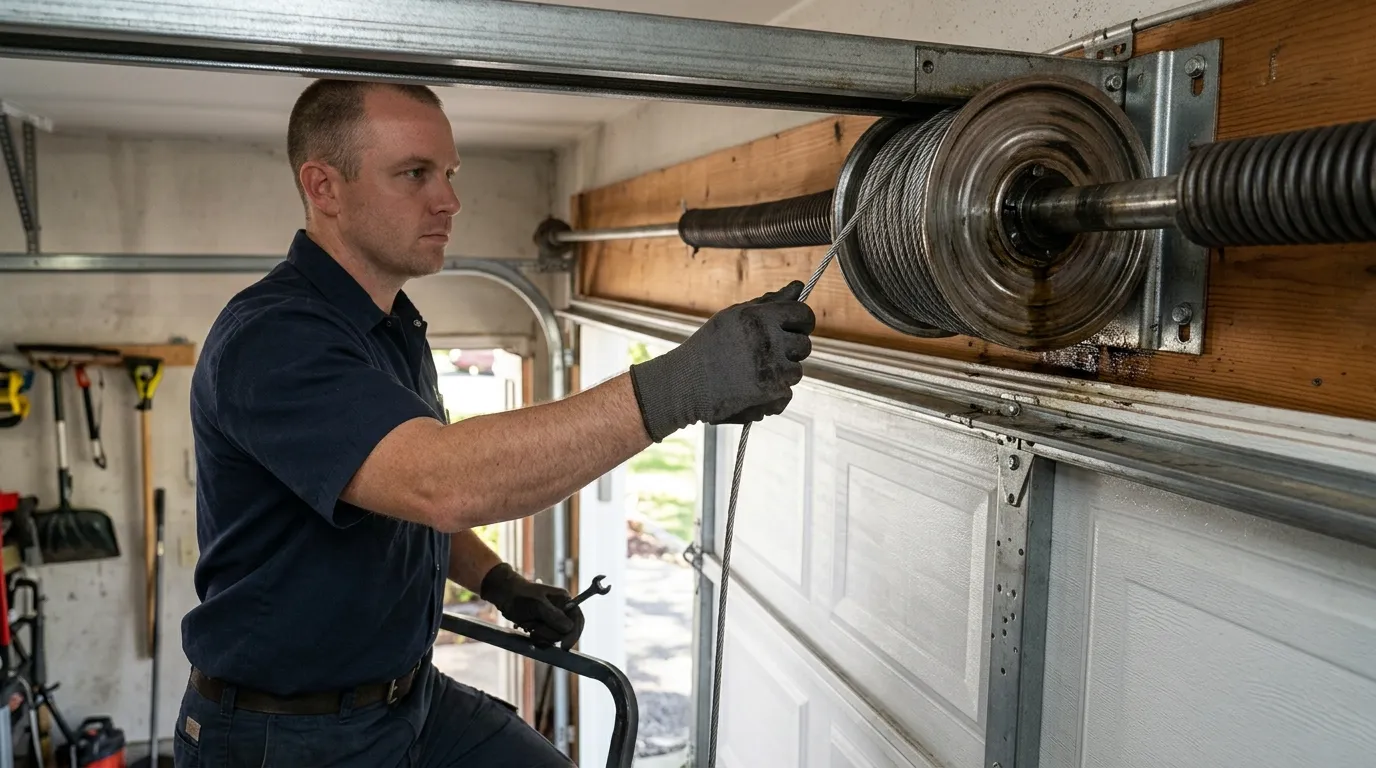
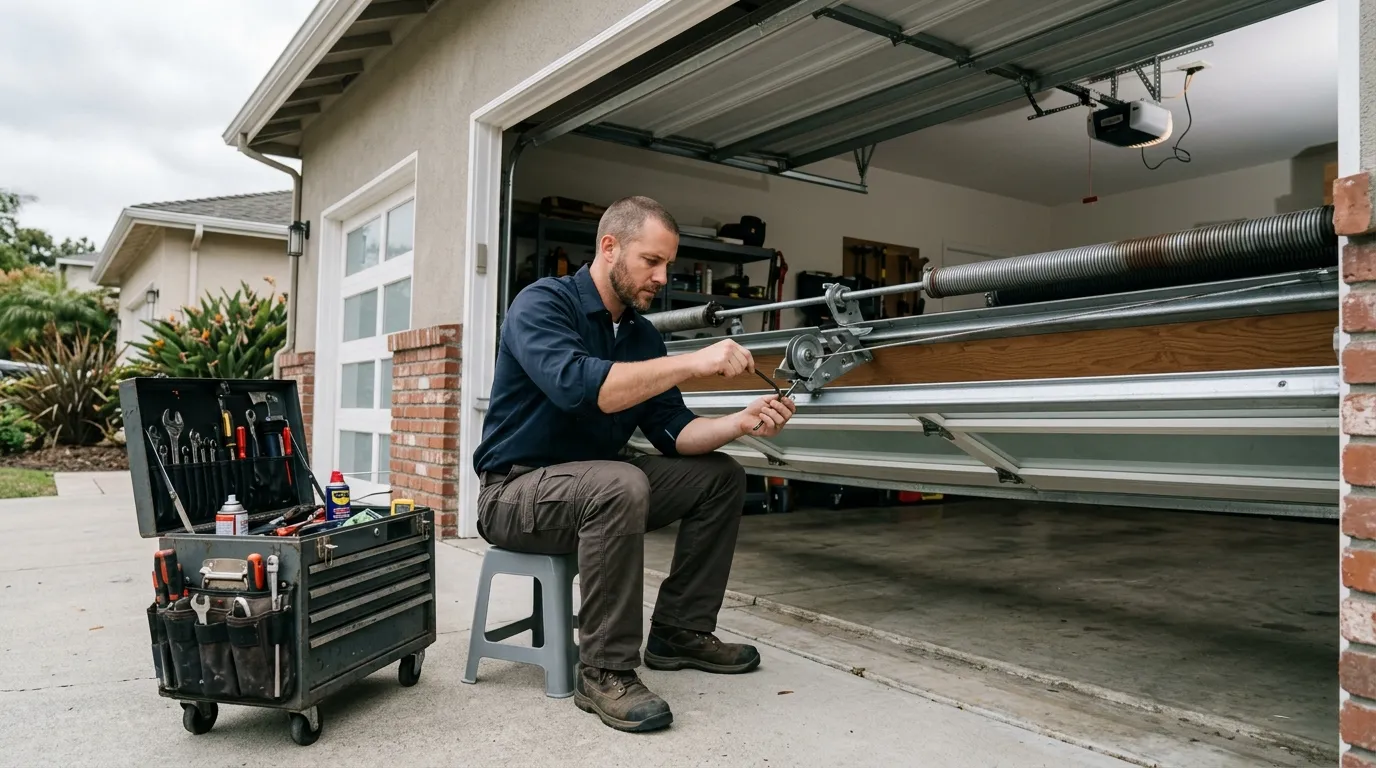
For a door of this era, the visit isn't a five-minute lube job. We're checking torsion spring wind and wear against the door's actual weight, not a generic chart, because a lot of these original doors are heavier steel than what gets installed today.
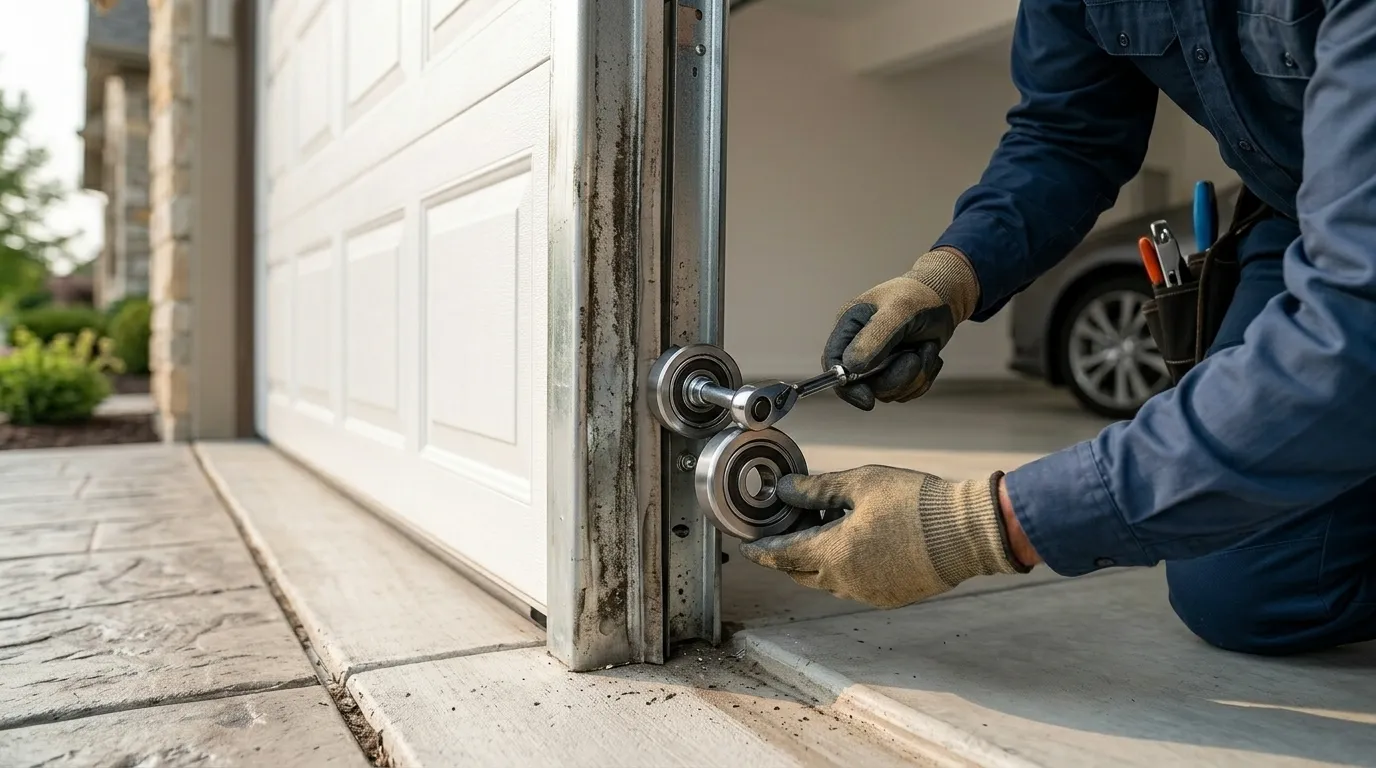
We check the track alignment, since 45+ years of settling on an older foundation slab shifts things more than people expect. Rollers get inspected for pitting - steel rollers from this era were rarely replaced with nylon, and steel-on-steel wear is a big source of the noise complaint above.
We also check the cable ends and drum for fraying, since original cable from a 1970s install is well past its rated service life even if it looks intact. Lubrication happens last, not first - putting oil on worn parts just quiets the symptom for a few weeks.
What we won't do is sell you a full door replacement on a maintenance call unless the panel or hardware genuinely can't be serviced. Plenty of these doors are structurally sound; they just need the moving parts brought up to spec. If a part is worth replacing rather than adjusting, we'll say so and explain why, not just swap it because it's there.
Why It Happens Here
Fletcher sits in the same cold-moderate climate band as the rest of the Lawton service area, which means winter temperature swings put real stress on torsion springs and lubricant year-round, not just in a hard freeze. Combine that climate load with a housing stock where the median build year is 1977, and you get a specific failure profile: springs that are original or first-generation replacements, rollers that were never upgraded, and openers that got swapped decades after the door hardware did.
Around 460 households make up Fletcher, and the pattern holds across most of them - this isn't a scattered issue affecting a few outlier homes, it's the baseline condition of a town where the housing didn't turn over much after the late 1970s. That consistency is actually useful: when we come out from Lawton, we already know roughly what we're going to find before we open the door panel.
Getting It Booked In
We work Fletcher out of Lawton, about 18 miles out, so a maintenance visit here gets scheduled as a planned trip rather than a same-hour drop-in. That's worth knowing if you're calling because the door is already making noise - book it before it fails completely, not after, since a full spring failure turns a maintenance visit into an emergency repair with a longer wait for parts.
Household income in Fletcher runs a bit under Lawton's broader median, and we mention that because it shapes how we scope the visit: we'll tell you honestly whether a $60,625-median-income household is better served spending on a full hardware refresh now, or a targeted fix on the one or two worn parts causing the actual symptom. We're not going to pad a maintenance ticket.
What Can Go Wrong
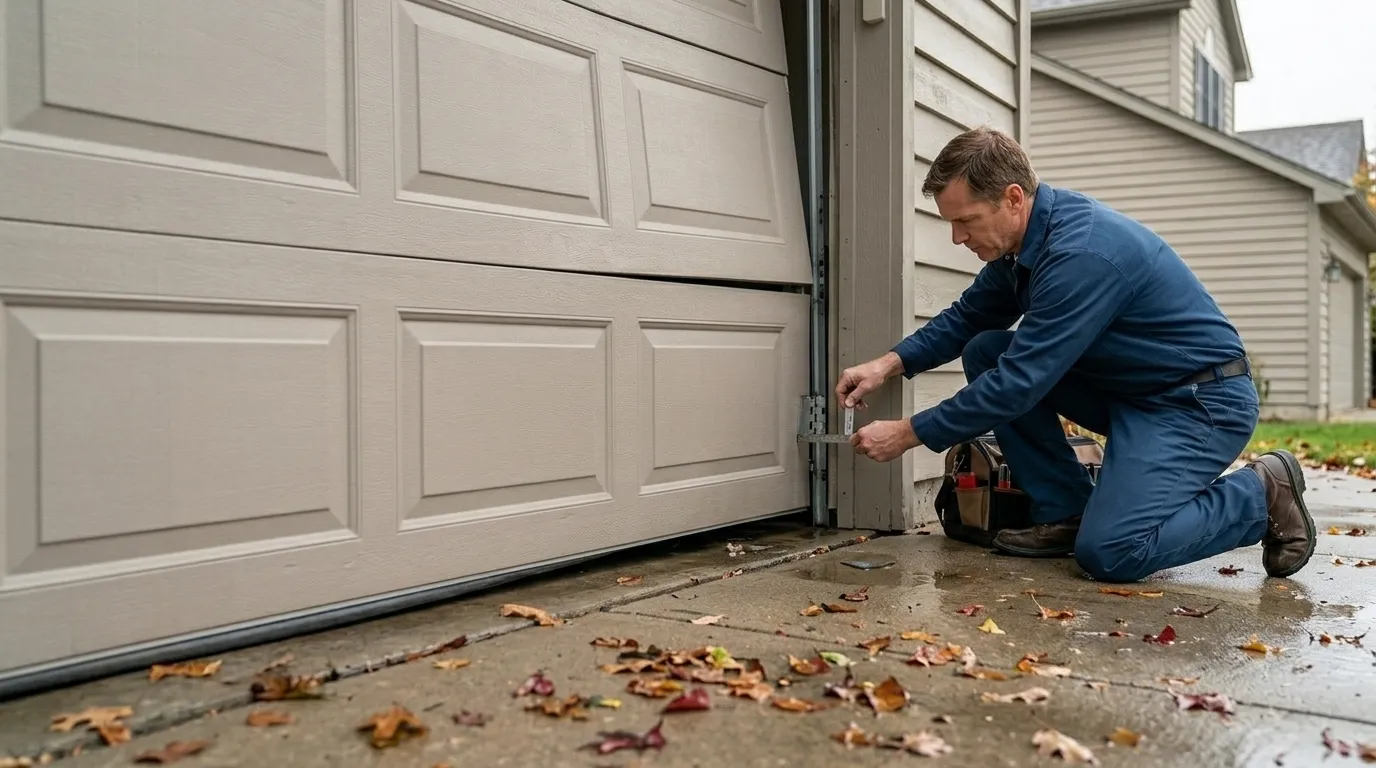
The most common mistake we see in Fletcher is deferred maintenance meeting a spring that's already at end-of-life. Because the failure mode on an original 1977-era torsion spring is sudden rather than gradual, waiting for a clearer warning sign often means waiting for the day it snaps under full load - at which point the door can drop hard, and the repair moves from a maintenance line item to a cable, track, and possibly panel replacement.
The honest limitation here: we don't stock every obsolete roller and drum size that shows up on a door this old, and if your hardware is a discontinued profile, a repair can mean a short parts wait rather than a same-visit fix. We'll tell you that up front instead of promising a fix we can't deliver that day.
Talk to a Fletcher Technician First
Describe what the door is doing and get a straight answer on what it likely needs.
Other Garage Door Services in Fletcher
Recent Work in Fletcher
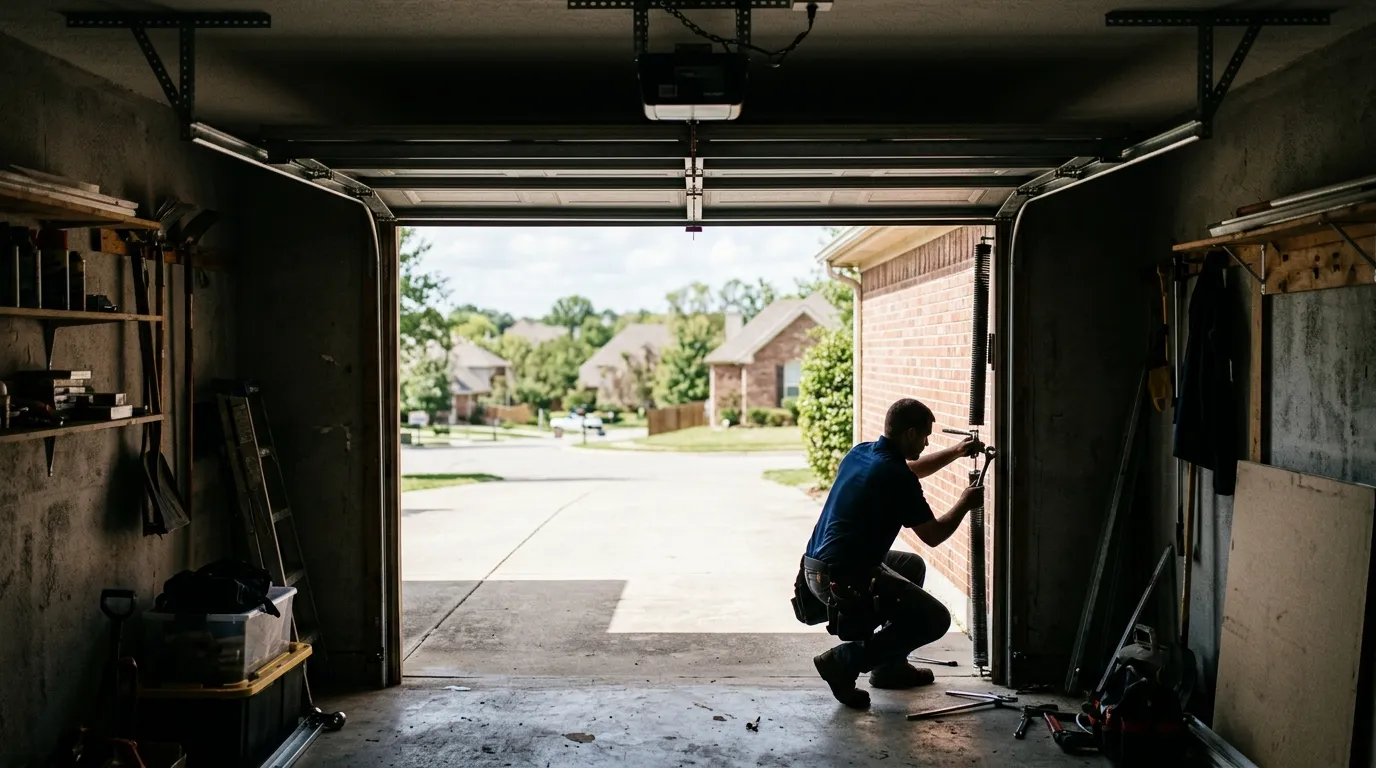
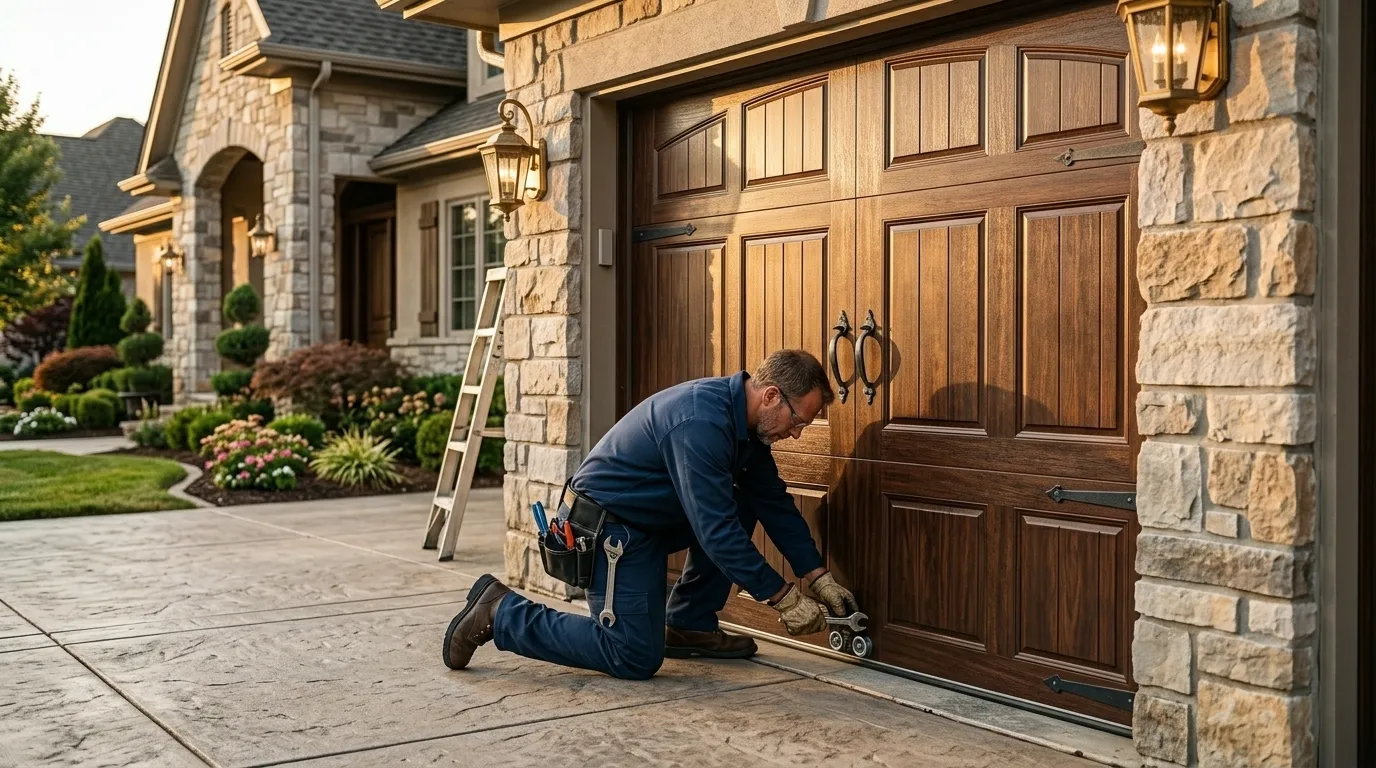
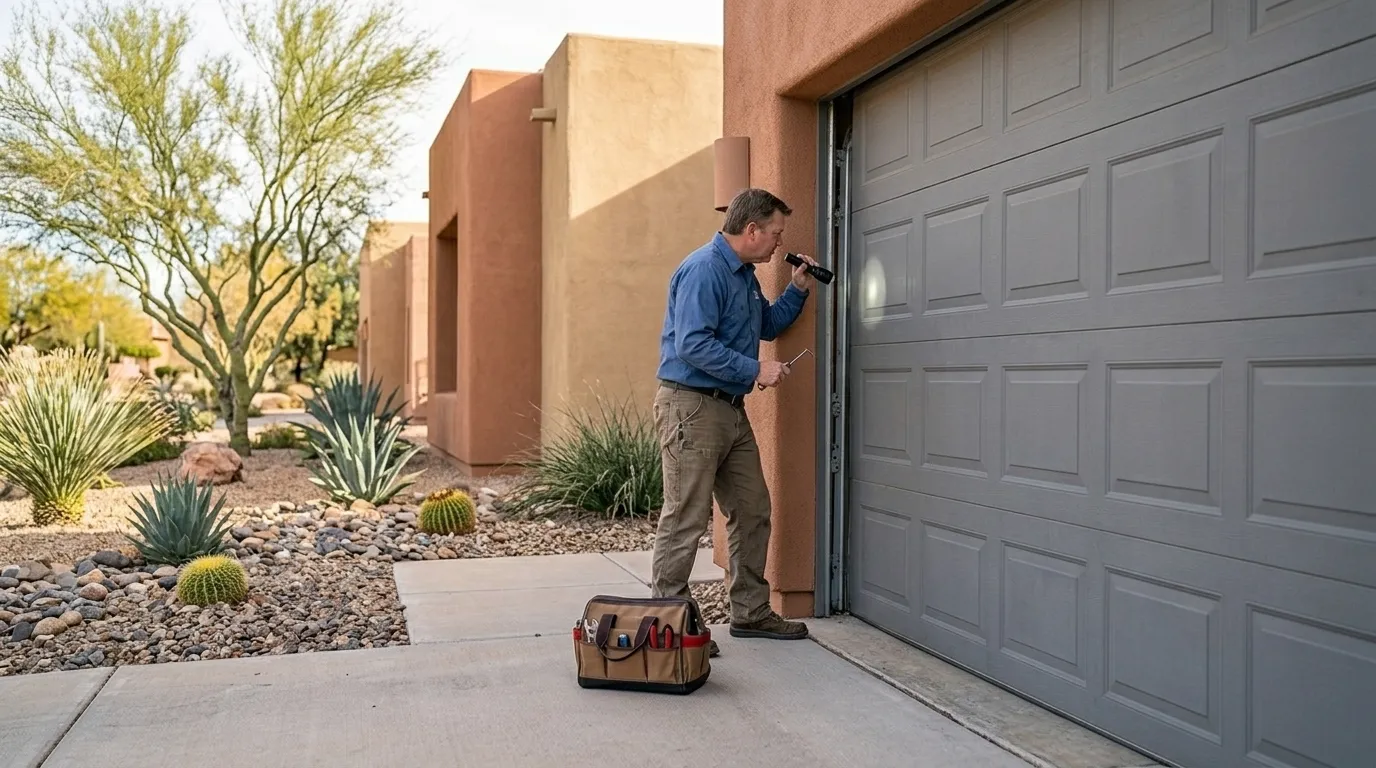
A look at jobs our crew has been on nearby.
Why Fletcher Calls Us
Frequently Asked Questions
How often should a Fletcher homeowner get maintenance done on an older door?
With a median build year of 1977, most Fletcher doors are running original or first-generation hardware well past its rated cycle life. We'd rather see it once a year than have you find out the spring's done by having it snap. If yours has never had a maintenance visit, that first check matters more than the schedule after it.
Do you carry parts for a door this old on the truck?
Not always. Steel rollers and drums from a late-1970s door aren't always a size we stock, since most new installs use different hardware now. If we hit a part we don't have, we'll tell you straight and get it ordered rather than force a fix that won't hold.
Is it worth replacing the whole door instead of maintaining it?
Usually not, if the panel itself is sound. Most of what fails on a 1977-era door is the moving hardware - spring, rollers, cable - not the door structure. We'll only recommend full replacement if the panel or track is genuinely beyond repair, not as a default upsell.
Why does Fletcher need a scheduled visit instead of same-day service?
We run out of Lawton, about 18 miles from Fletcher, so maintenance visits here get planned into the route rather than dispatched same-hour. Booking ahead, especially before a noisy door gets worse, gets you seen without an emergency-call wait.
Need Maintenance & Tune-Up in Fletcher?
Call now for straight answers on cost and timing.